

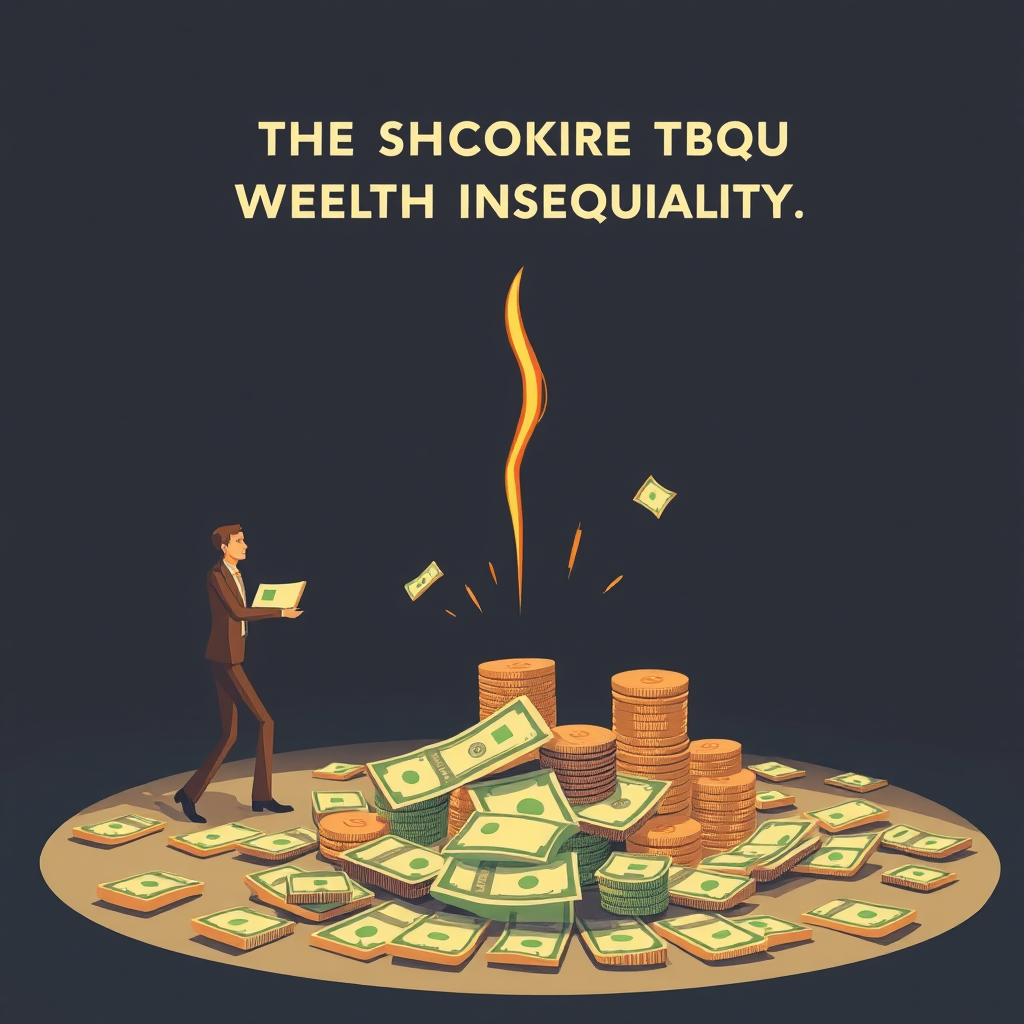
The Shocking Truth About Wealth Inequality
What if the secrets to building real wealth were hidden in plain sight? In this article, we explore the transformative ideas from Capital in the Twenty-First Century by Thomas Piketty — and how you can apply them to your own financial journey.
*Thomas Piketty’s Capital in the Twenty-First Century* is a groundbreaking economic study on wealth and income inequality, tracing how capital (accumulated wealth) shapes economic and social structures over centuries. Drawing from extensive historical data—especially from France, the UK, and the US—Piketty argues that capitalism, left unchecked, naturally leads to increasing inequality, unless it is restrained by policy.
The book became a global bestseller and sparked intense debate over capitalism, taxation, and the future of democratic societies.
Key Concepts & Insights
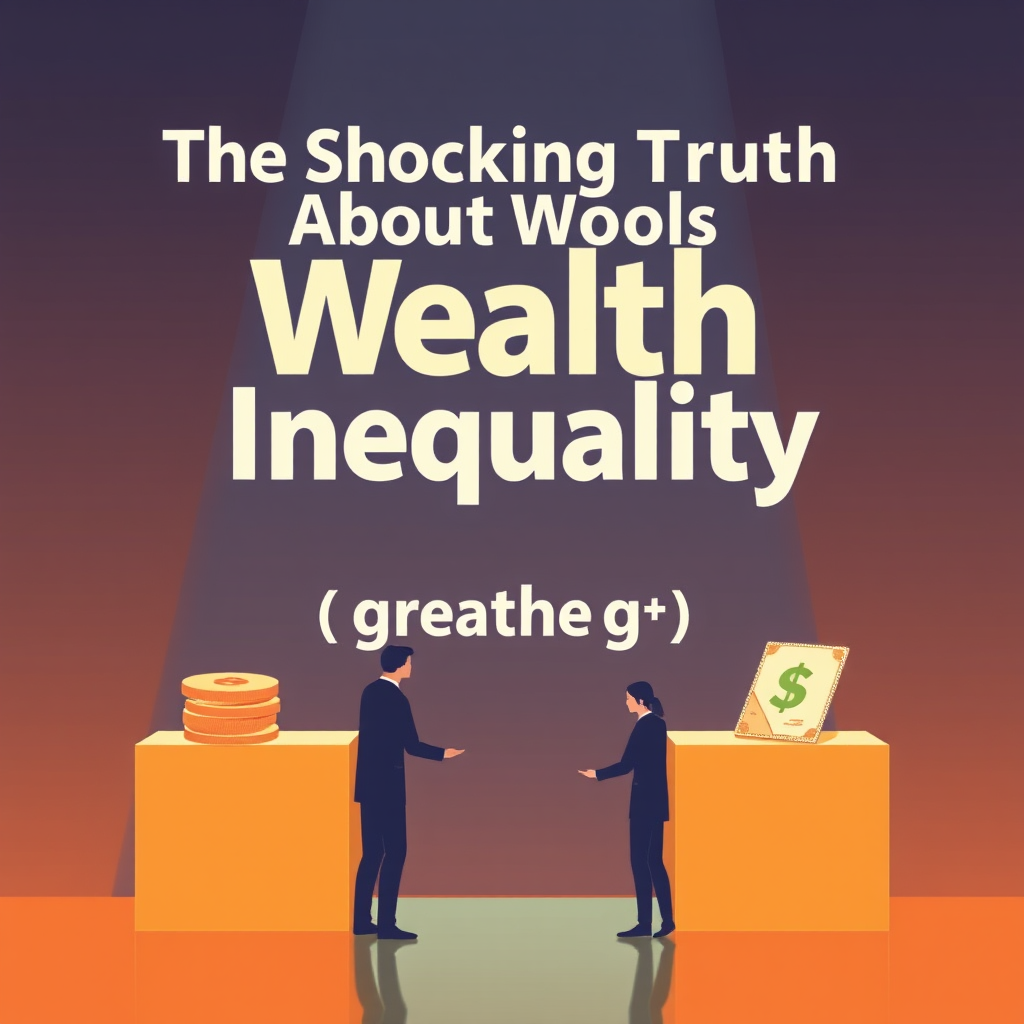
1. The Central Thesis: r greather than g
- r = rate of return on capital
- g = rate of economic growth
- When r greather than g, wealth grows faster than the economy, allowing the rich to get richer while others fall behind.
- This dynamic, if unregulated, leads to hereditary wealth, economic inequality, and democratic erosion.
“When the return on capital exceeds the rate of growth, capitalism automatically generates arbitrary and unsustainable inequalities.”

2. The History of Inequality
- Inequality was very high before World War I, driven by inherited wealth.
- It declined mid-20th century due to war destruction, inflation, and progressive taxation.
- Since the 1980s, inequality has risen again, particularly in the U.S., due to deregulation, lower tax rates, and globalization.
“We are returning to a patrimonial capitalism where a small group controls the majority of wealth.”
3. The Role of Capital
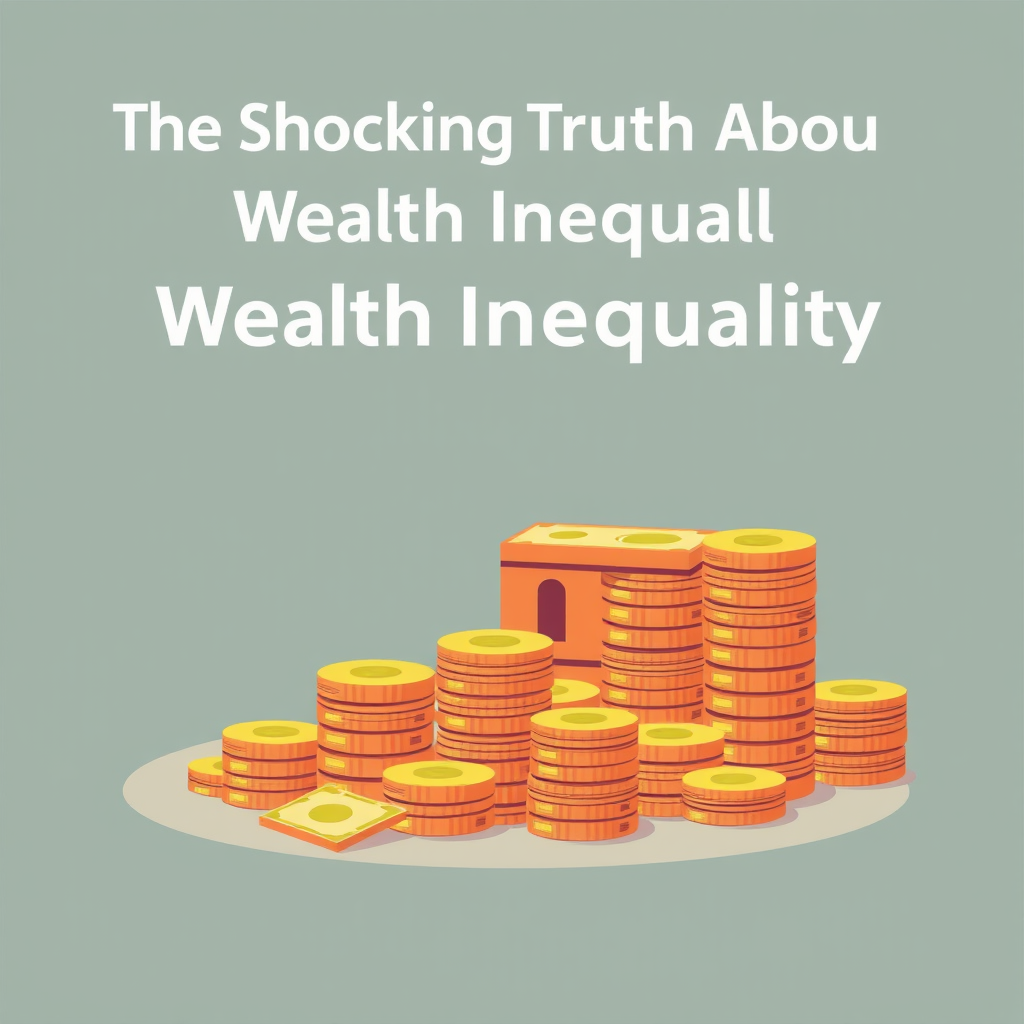
- Capital = wealth that generates income, such as real estate, stocks, and businesses.
- In modern economies, capital income (rent, dividends) outpaces labor income (wages).
- Capital tends to concentrate because those who own it can reinvest and accumulate more wealth, while workers spend their income.

4. Inequality of Opportunity
- Inherited wealth increasingly determines one’s economic outcome, leading to declining social mobility.
- Education and talent matter, but the advantages of inherited capital often outweigh merit.
5. Policy Recommendations
Piketty advocates for:
- A global progressive wealth tax on capital to prevent extreme concentration.
- Greater financial transparency, including international cooperation to track assets.
- Strengthening public institutions and education to level the playing field.
“Without regulation, capitalism will undermine the foundations of democracy.”
Key Takeaways
Capitalism tends to increase inequality when growth is slower than capital returns.
The mid-20th-century drop in inequality was an anomaly, not the norm.
Concentrated wealth poses a threat to democratic institutions and social stability.
Inherited wealth plays a dominant role in modern economies.
Only policy interventions, like wealth taxes and stronger institutions, can reverse the trend.
Final Thoughts
Capital in the Twenty-First Century is a landmark work in economics and political thought, blending history, theory, and data to explain the mechanics of wealth and inequality. Piketty’s message is clear: without intentional reform, modern capitalism risks returning to 19th-century-style inequality.
Ready to Learn More?
Want more insights on finance, investing, and wealth-building? Explore The Summary Series by Dominus Code — where we distill the world’s best finance books into practical wisdom.
This article was inspired by Capital in the Twenty-First Century by Thomas Piketty.