


Why Bitcoin Could Replace Central Banking – The Bitcoin Standard Explained
What if the secrets to building real wealth were hidden in plain sight? In this article, we explore the transformative ideas from The Bitcoin Standard: The Decentralized Alternative to Central Banking — and how you can apply them to your own financial journey.
“The Bitcoin Standard” by Saifedean Ammous is a deep dive into the history of money, the flaws of modern fiat currencies, and why Bitcoin is the best alternative to central banking. Rather than focusing on Bitcoin’s technical aspects, the book explores its economic, historical, and philosophical significance, arguing that Bitcoin is a superior form of money due to its scarcity, decentralization, and resistance to government control.
Ammous makes the case that sound money (like gold and Bitcoin) leads to economic stability, while fiat currencies controlled by governments result in inflation, debt, and financial crises.

Key Themes & Insights

1. The History of Money: From Barter to Gold to Fiat
Money evolved to solve the “double coincidence of wants” problem in barter.
Gold became the best form of money because it is scarce, durable, and widely accepted.
The gold standard created economic stability by limiting government spending.
Fiat money (paper currency) replaced gold but allowed governments to print unlimited money, leading to inflation and economic instability.
Bitcoin restores the principles of sound money, just like gold once did.

2. The Problem with Fiat Money & Central Banking
Governments and central banks print money endlessly, leading to inflation and devaluation of savings.
Easy money policies cause financial crises, asset bubbles, and excessive government debt.
Fiat currency allows governments to manipulate economies, often for political gain rather than economic stability.
Bitcoin fixes this by creating a currency that no one can manipulate or inflate.
Fiat money benefits governments and banks, but Bitcoin empowers individuals.

3. Why Bitcoin is the Best Form of Money
Fixed Supply – Bitcoin is limited to 21 million coins, making it scarcer than gold.
Decentralization – No government or institution can control Bitcoin.
Security & Immutability – Transactions on the Bitcoin blockchain cannot be altered.
Global & Permissionless – Anyone can use Bitcoin, anywhere, without needing a bank.
Bitcoin is digital gold—scarce, decentralized, and resistant to inflation.
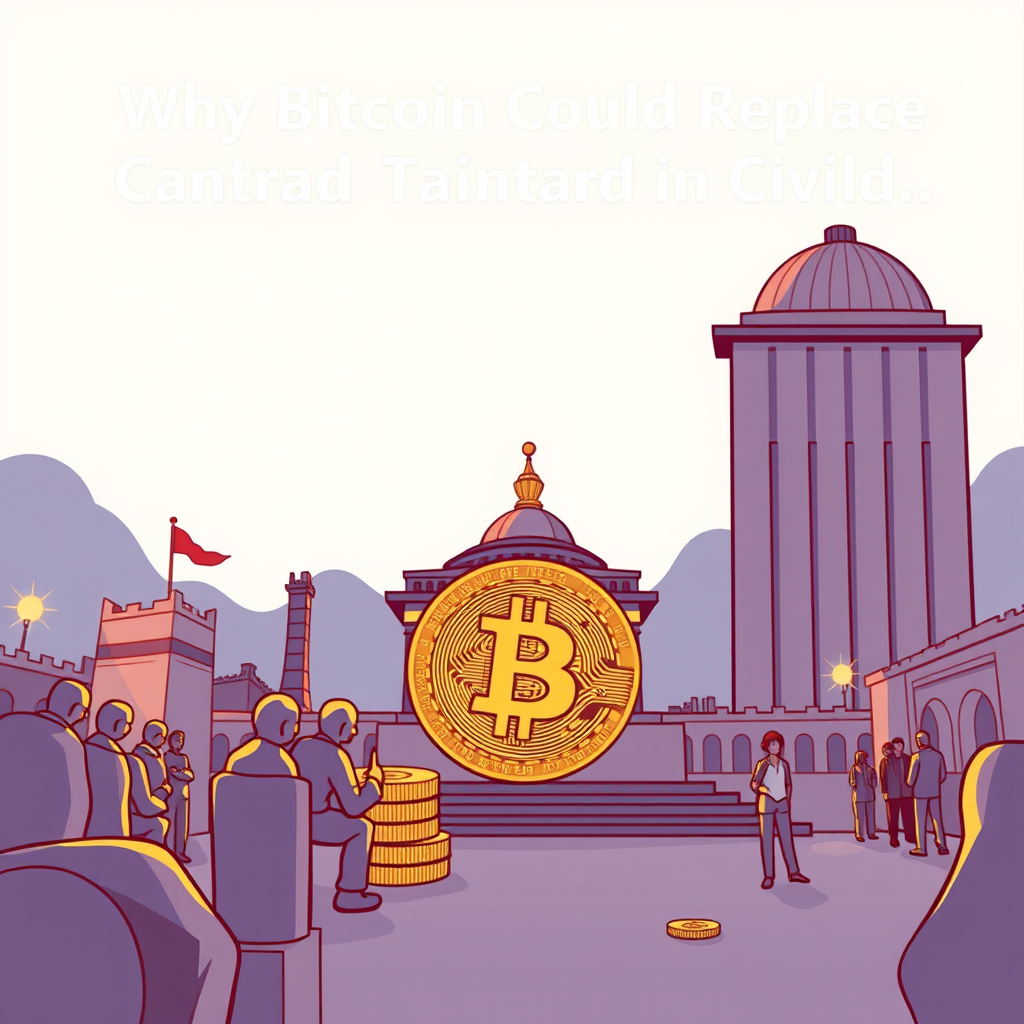
4. The Impact of Sound Money on Civilization
Hard money leads to long-term thinking, investment, and innovation.
Soft money (fiat) encourages short-term consumption and debt.
The gold standard created centuries of economic stability before governments abandoned it.
Bitcoin could restore economic discipline by providing a new, incorruptible monetary system.
A return to sound money (Bitcoin) could lead to a more prosperous, stable economy.
Key Takeaways
Fiat money leads to inflation, government overreach, and financial instability.
Bitcoin, like gold, is a scarce and decentralized form of sound money.
Central banks and governments manipulate fiat currencies, but they cannot control Bitcoin.
A world on the Bitcoin standard would encourage savings, investment, and economic stability.
Bitcoin is not just an investment—it’s a revolutionary monetary system.
Final Thoughts
The Bitcoin Standard is a must-read for anyone interested in Bitcoin, monetary history, and economic philosophy. Saifedean Ammous explains why fiat money is failing and why Bitcoin is the best alternative for long-term economic stability.
Ready to Learn More?
Want more insights on finance, investing, and wealth-building? Explore The Summary Series by Dominus Code — where we distill the world’s best finance books into practical wisdom.
This article was inspired by The Bitcoin Standard: The Decentralized Alternative to Central Banking.