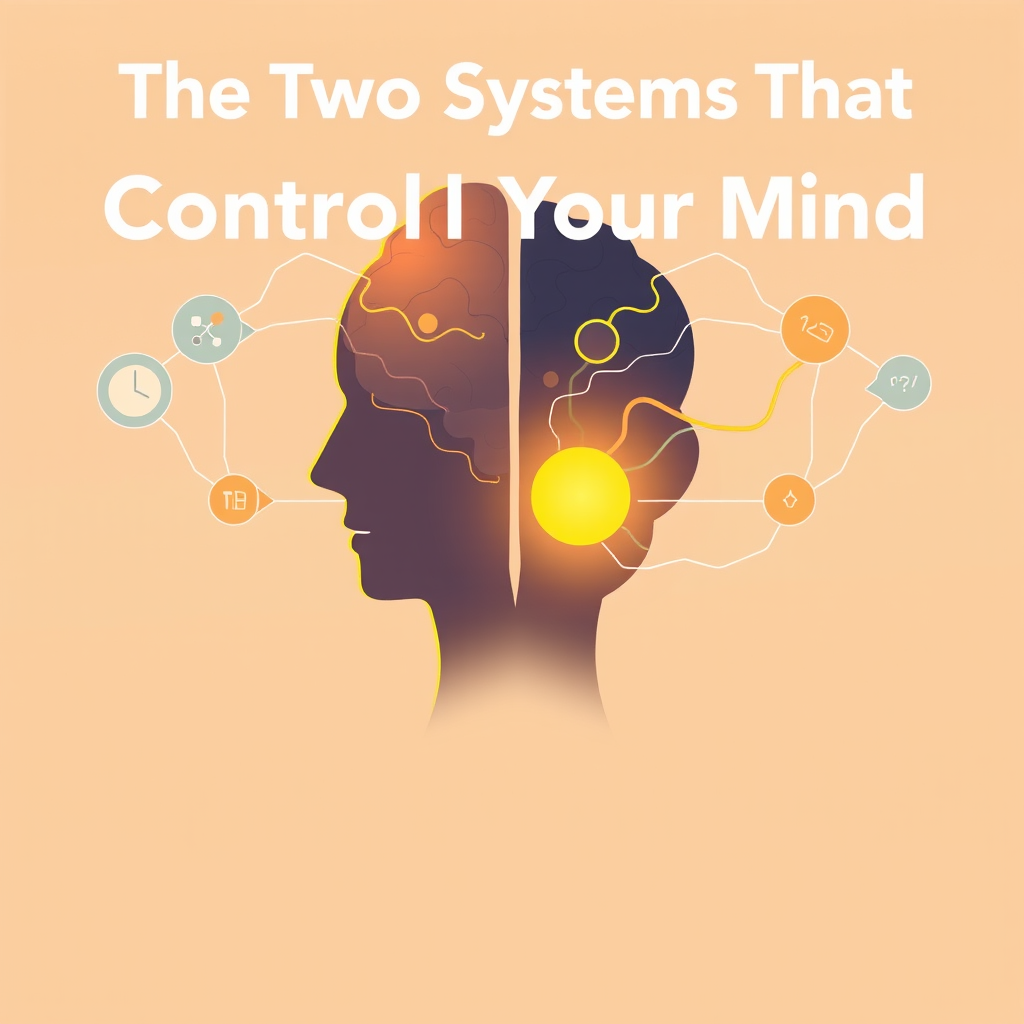

The Two Systems That Control Your Mind
What if the secrets to building real wealth were hidden in plain sight? In this article, we explore the transformative ideas from Thinking, Fast and Slow by Daniel Kahneman — and how you can apply them to your own financial journey.
Thinking, Fast and Slow by Nobel Prize-winning psychologist Daniel Kahneman is a groundbreaking exploration of how we think, make decisions, and often go wrong. Drawing from decades of research in psychology and behavioral economics, Kahneman introduces a dual-system framework to explain our cognitive processes, biases, and mental shortcuts.

Core Framework: Two Systems of Thinking

System 1: Fast Thinking
- Intuitive, automatic, emotional, effortless
- Example: Detecting anger in a voice, answering 2 + 2
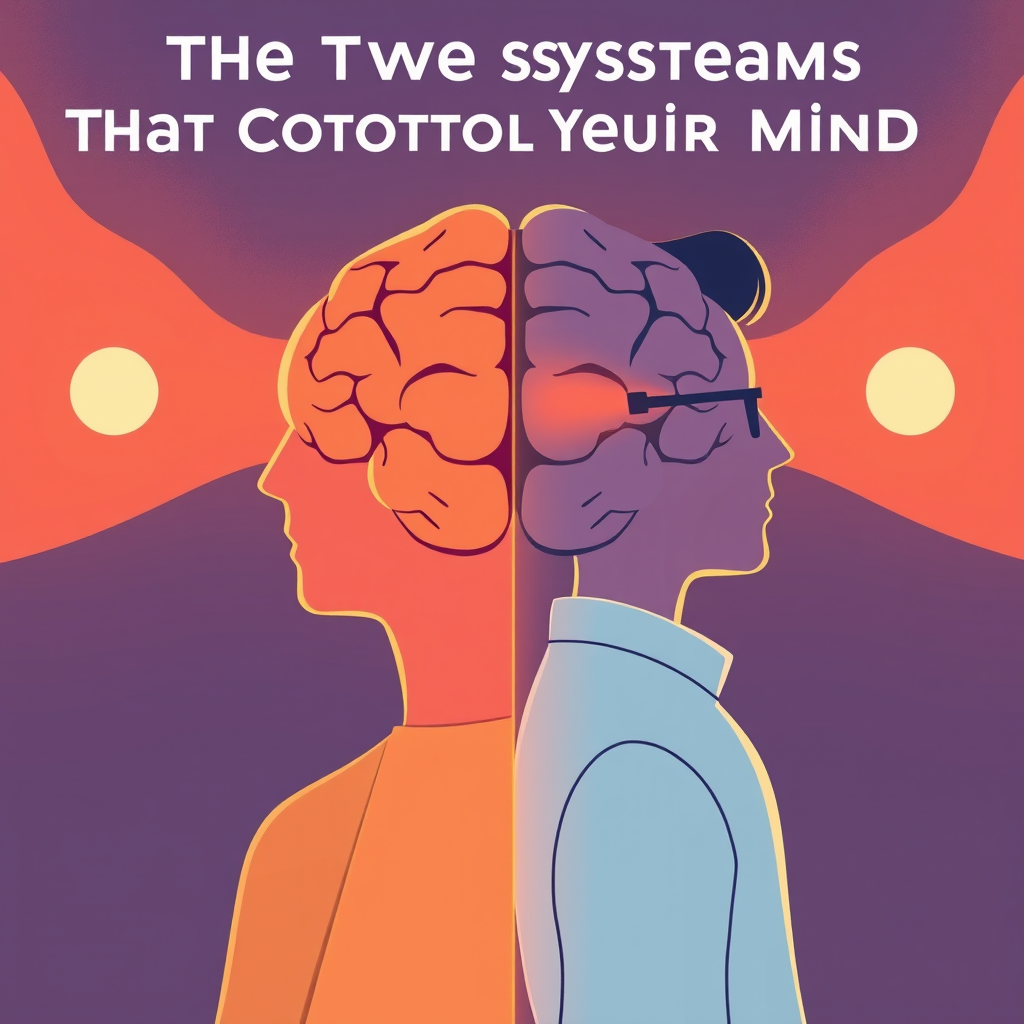
System 2: Slow Thinking
- Deliberate, analytical, rational, effortful
- Example: Calculating 23 × 47, comparing two financial plans
Most of the time, we rely on System 1. System 2 only kicks in when necessary—but it’s lazy and often endorses System 1’s flawed judgments.

Key Concepts and Lessons

1. Cognitive Biases Are Pervasive
- People are prone to systematic errors in judgment.
- These biases affect memory, decision-making, and even expert intuition.
2. The Anchoring Effect
- Estimates are influenced by irrelevant numbers (anchors).
- Example: If asked whether Gandhi died before or after age 144, people’s guesses will be absurdly high.
3. The Availability Heuristic
- We judge likelihood based on how easily examples come to mind, not actual probability.
- This explains why we fear plane crashes more than car accidents.
4. Loss Aversion
- We feel the pain of a loss twice as strongly as we feel the pleasure of a gain.
- This leads to risk-averse behavior, even when risk-taking would be rational.
5. The Planning Fallacy
- People systematically underestimate time, costs, and risks—even when they know similar tasks have taken longer in the past.
6. Substitution and Intuition
- When faced with a difficult question, we often answer an easier one without realizing it.
- For example, “How happy are you?” gets replaced with “How happy am I right now?”
7. WYSIATI – What You See Is All There Is
- We base judgments on the information available, ignoring what’s missing.
- This leads to overconfidence and poor forecasting.
8. The Halo Effect
- A single trait (like attractiveness or confidence) influences overall perception, even when irrelevant.
9. Regression to the Mean
- Extreme performances tend to be followed by more average ones.
- Ignoring this leads to misattributed praise or blame.
10. Experienced Self vs. Remembering Self
- We have two selves:
- The experiencing self lives in the moment.
- The remembering self recalls events (often distorted).
- Decisions are often made to satisfy the remembering self, not the experiencing one.
“Nothing in life is as important as you think it is while you are thinking about it.”
Key Takeaways
Humans are not rational agents—we use shortcuts that often mislead us
Recognizing when System 1 is in control can help avoid mistakes
Biases like loss aversion, anchoring, and availability distort our decisions
Experts are not immune to poor judgment or overconfidence
The key to better thinking is self-awareness, reflection, and slowing down
Final Thoughts
Thinking, Fast and Slow is a masterwork of psychology and behavioral economics, rich in insight and practical relevance. Kahneman doesn’t just diagnose how we err—he teaches us to spot the traps of quick thinking and apply slow, deliberate reasoning where it counts most.
Ready to Learn More?
Want more insights on finance, investing, and wealth-building? Explore The Summary Series by Dominus Code — where we distill the world’s best finance books into practical wisdom.
This article was inspired by Thinking, Fast and Slow by Daniel Kahneman.