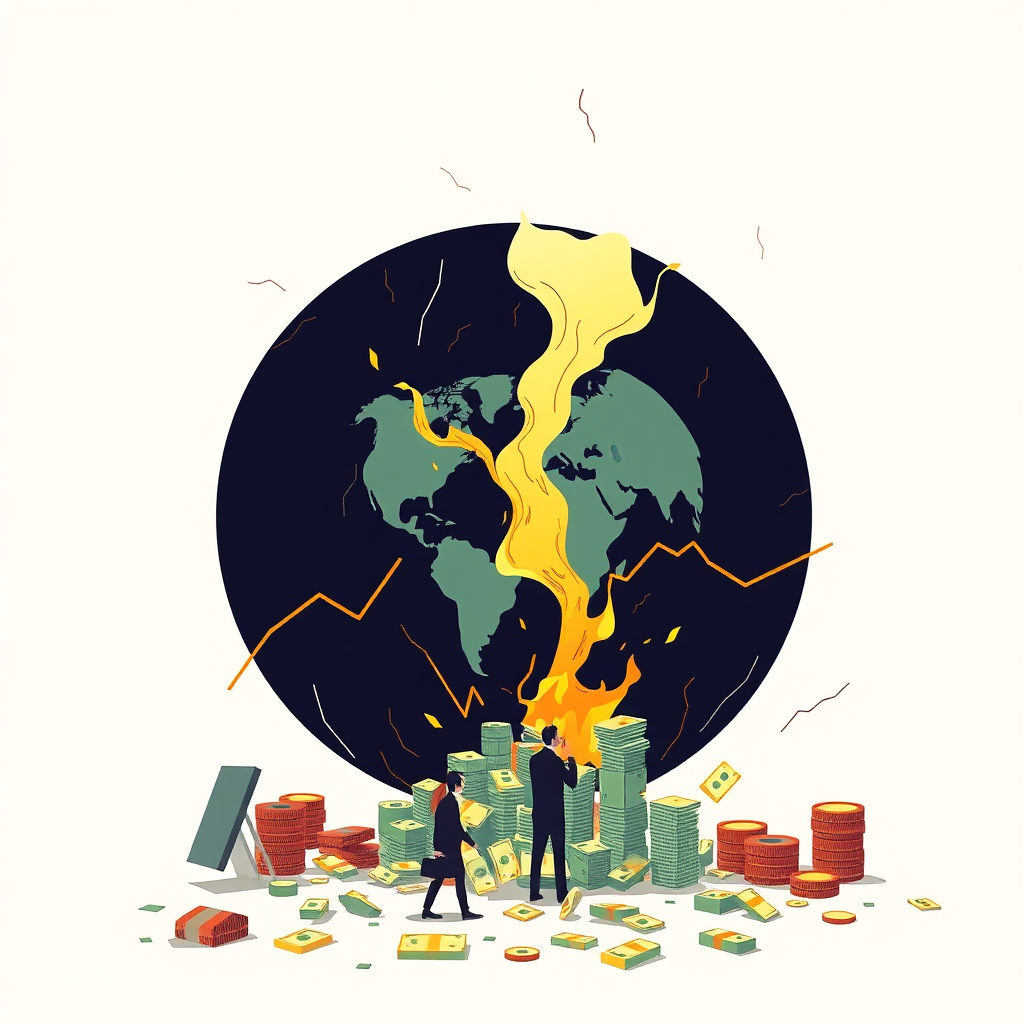

The Shocking Truth Behind the Global Financial Meltdown!
What if the secrets to building real wealth were hidden in plain sight? In this article, we explore the transformative ideas from Boomerang: The Biggest Bust by Michael Lewis — and how you can apply them to your own financial journey.
“Boomerang: Travels in the New Third World” by Michael Lewis is a fascinating look at the global financial crisis of 2008 and its aftermath, focusing on how different countries experienced and contributed to the economic collapse. Lewis travels to Iceland, Greece, Ireland, Germany, and the United States, uncovering the cultural and financial behaviors that fueled the crisis.
The title Boomerang symbolizes how reckless financial decisions made during the boom years came back to devastate economies. Lewis argues that the crisis wasn’t just about bad banking—it was about national character, greed, and the illusion of endless prosperity.
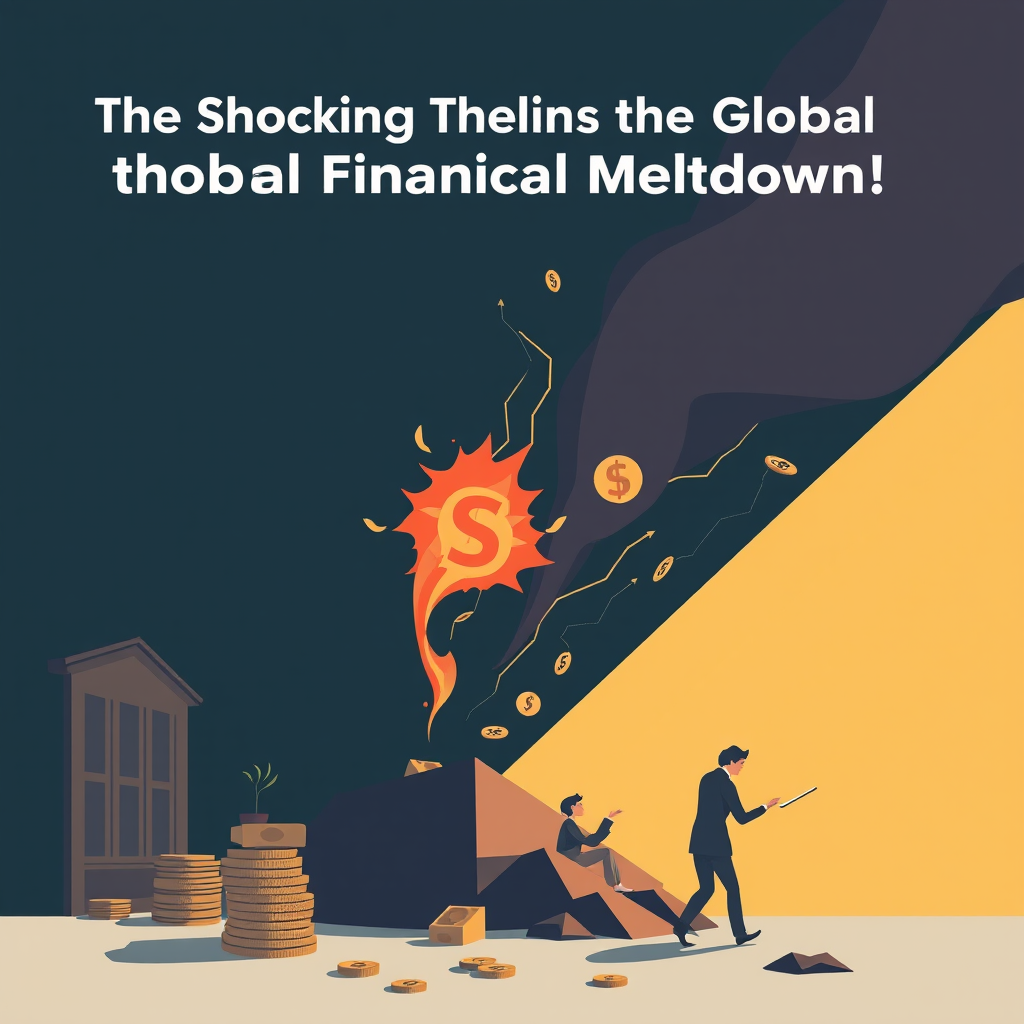
Key Themes & Insights

1. The Global Financial Meltdown Was a Cultural Story
Each country that suffered in the 2008 crisis had its own unique financial disaster, shaped by its people’s attitudes toward risk, debt, and wealth. Lewis explores how national psychology influenced economic decision-making.
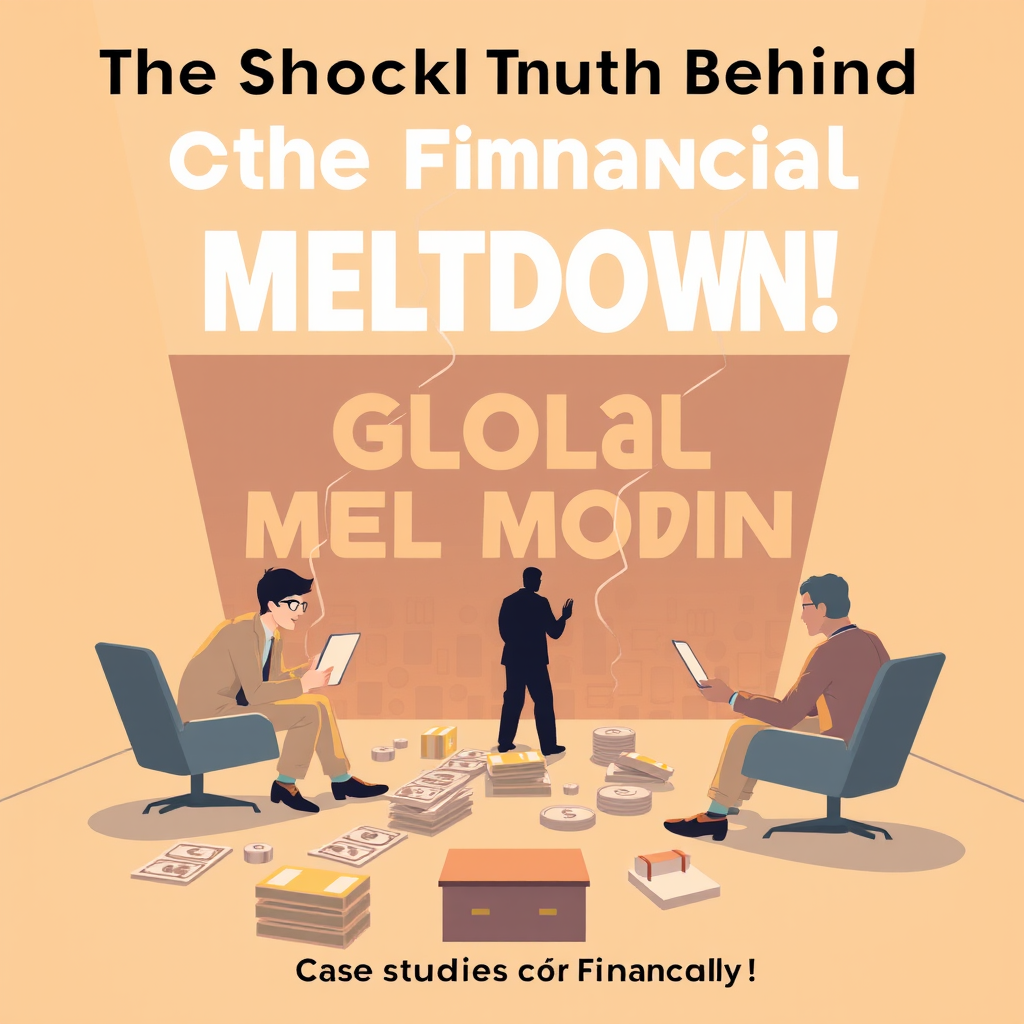
2. Case Studies of Financial Folly
Iceland: From Fishermen to Bankers (and Back Again)
- Iceland’s banks borrowed 10 times the country’s GDP to buy global assets, believing they had mastered high finance.
- Their collapse in 2008 wiped out the country’s economy, forcing the government to let banks fail and rebuild from scratch.
Greece: A Nation Built on Corruption and Debt
- Greece massively overspent, funding government jobs, pensions, and Olympic projects with borrowed money.
- When the truth about its debt came out, Greece was bailed out by the EU, but only after riots and economic collapse.
Ireland: The Real Estate Bubble of Doom
- Irish banks lent billions to property developers, creating one of the biggest real estate bubbles in history.
- When the bubble burst, banks went bankrupt, and the Irish government took on the debt, nearly ruining the country.
Germany: The Surprising Role of the Responsible Banker
- Germans were seen as fiscally responsible, but their banks made huge risky bets on U.S. subprime mortgages.
- Lewis highlights Germany’s obsession with rules, which blinded them to the hidden dangers in the global banking system.
United States: The Birthplace of the Crisis
- The housing bubble, subprime mortgage lending, and Wall Street greed triggered the global meltdown.
- The U.S. bailed out its banks, while ordinary people suffered job losses, home foreclosures, and financial ruin.
3. The Boomerang Effect: Reckless Borrowing Comes Back to Haunt Nations
Lewis argues that the financial crisis wasn’t just an American problem—it was global.
- Easy credit and reckless borrowing created bubbles worldwide.
- When the debt had to be repaid, economies collapsed.
- Countries that had lived beyond their means faced harsh austerity and financial ruin.
Key Takeaways
The financial crisis was not just about banks—it was about national behavior.
Debt-fueled prosperity is an illusion—it eventually collapses.
Cultural attitudes toward money shape financial policy and crisis responses.
Governments and banks failed to learn from history and repeated the same mistakes.
Final Thoughts
Boomerang is a brilliant and darkly humorous exposé of how different nations contributed to the biggest financial disaster of our time. Michael Lewis combines storytelling with economic insight, making this a must-read for anyone wanting to understand the true causes of financial crises.
Ready to Learn More?
Want more insights on finance, investing, and wealth-building? Explore The Summary Series by Dominus Code — where we distill the world’s best finance books into practical wisdom.
This article was inspired by Boomerang: The Biggest Bust by Michael Lewis.