

The Shocking Money Lesson That Changed Lives
What if the secrets to building real wealth were hidden in plain sight? In this article, we explore the transformative ideas from Rich Dad Poor Dad by Robert Kiyosaki — and how you can apply them to your own financial journey.
“Rich Dad Poor Dad” is one of the most influential personal finance books, written by Robert Kiyosaki. The book contrasts the financial philosophies of his two “dads”:
- “Poor Dad” – His biological father, a well-educated man who worked hard but struggled financially.
- “Rich Dad” – His best friend’s father, a businessman who taught him about money, investing, and wealth-building.
Through this contrast, Kiyosaki explains key financial principles that separate the wealthy from the middle class and poor.

Key Lessons & Takeaways
1. The Importance of Financial Education
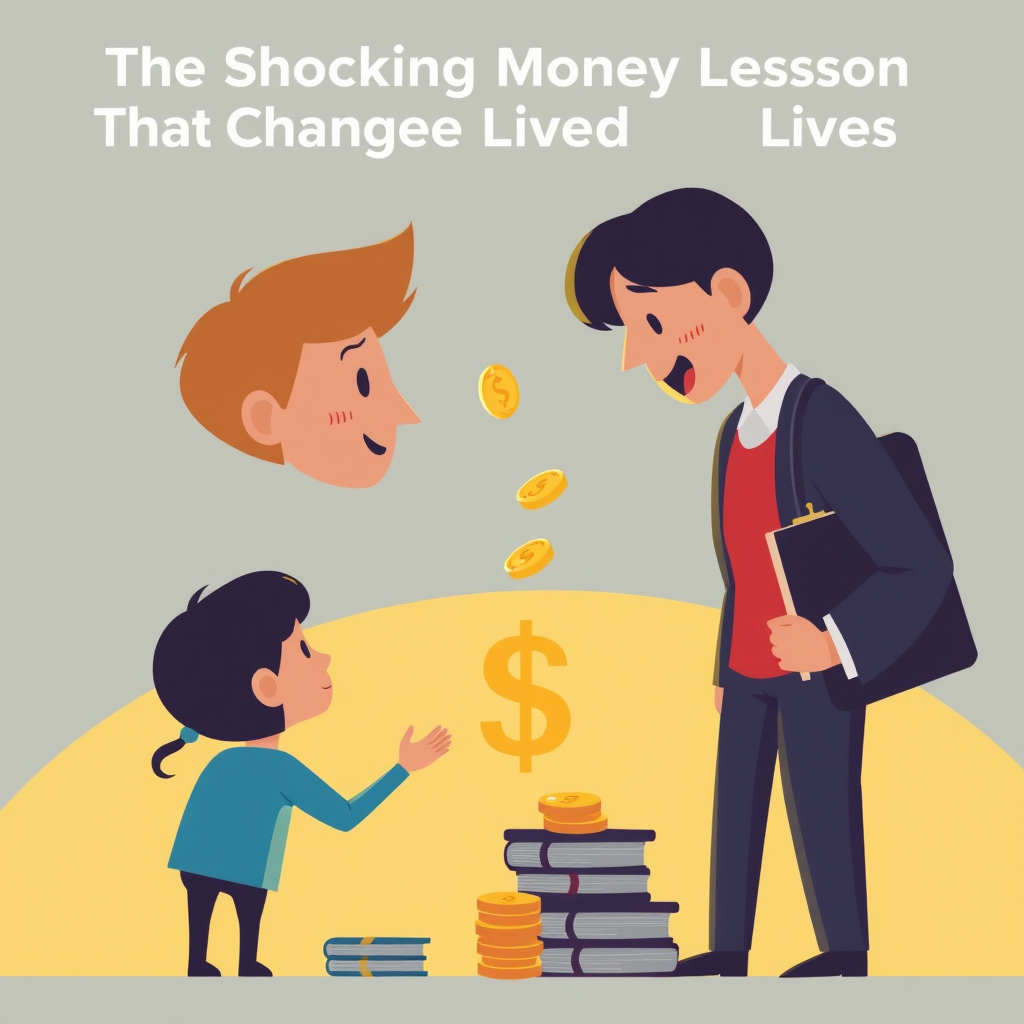
Schools teach students how to work for money but not how to make money work for them. Kiyosaki argues that financial literacy—understanding assets, liabilities, investments, and taxes—is essential for financial success.
2. The Difference Between Assets and Liabilities
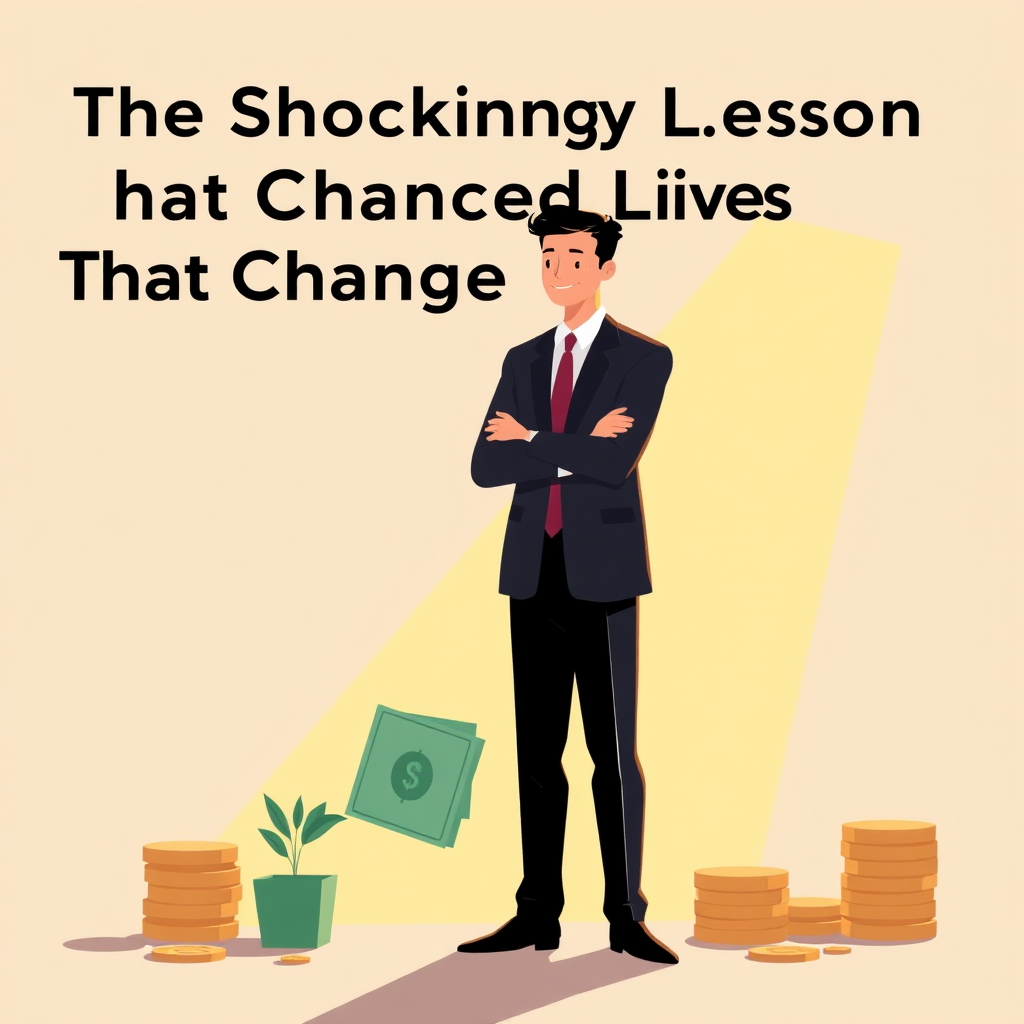
Rich people buy assets, things that generate income, such as real estate, stocks, and businesses. On the other hand, poor and middle-class people often buy liabilities, such as cars, expensive homes, and credit card debt, which drain their income.
Key Rule: “The rich don’t work for money; they make money work for them.”
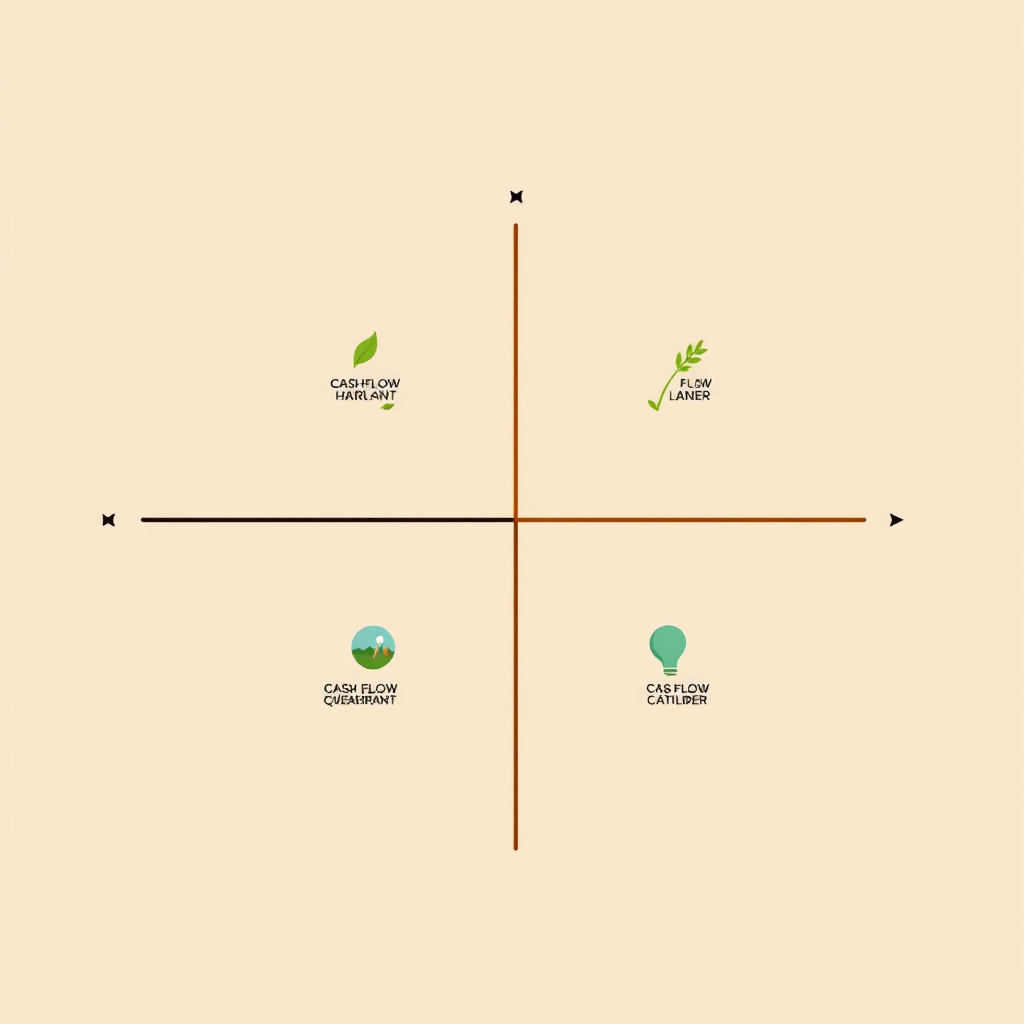
3. The Cash Flow Quadrant
Kiyosaki introduces four types of income earners:
- Employees (E): Work for a salary and rely on job security.
- Self-Employed (S): Own a job, but income stops if they stop working.
- Business Owners (B): Build systems that generate income without their active involvement.
- Investors (I): Make money through passive income from investments.
The goal is to move from being an employee or self-employed to becoming a business owner or investor to achieve financial freedom.

4. Mindset Shift: Be an Investor, Not Just a Worker
Poor Dad emphasized the importance of getting a secure job and working hard. In contrast, Rich Dad believed in learning how money works, investing wisely, and creating wealth through passive income.
Kiyosaki encourages people to think like investors instead of solely relying on a paycheck.
5. The Power of Passive Income
Wealthy individuals build multiple streams of passive income through:
- Real estate investing
- Stock market investments
- Business ownership
- Royalties from books, patents, or intellectual property
Financial freedom comes from earning money without actively working.
6. Overcoming the Fear of Failure
Kiyosaki stresses that mistakes are part of the learning process. While schools teach people to avoid failure, successful entrepreneurs and investors view failure as an opportunity to grow.
A rich mindset sees failure as a lesson, while a poor mindset views failure as a reason to quit.
Final Thoughts
Rich Dad Poor Dad teaches that financial independence is about mindset, education, and action. It encourages people to:
Build financial literacy
Invest in assets, not liabilities
Focus on passive income instead of relying on a salary
Develop an entrepreneurial mindset
Ready to Learn More?
Want more insights on finance, investing, and wealth-building? Explore The Summary Series by Dominus Code — where we distill the world’s best finance books into practical wisdom.
This article was inspired by Rich Dad Poor Dad by Robert Kiyosaki.