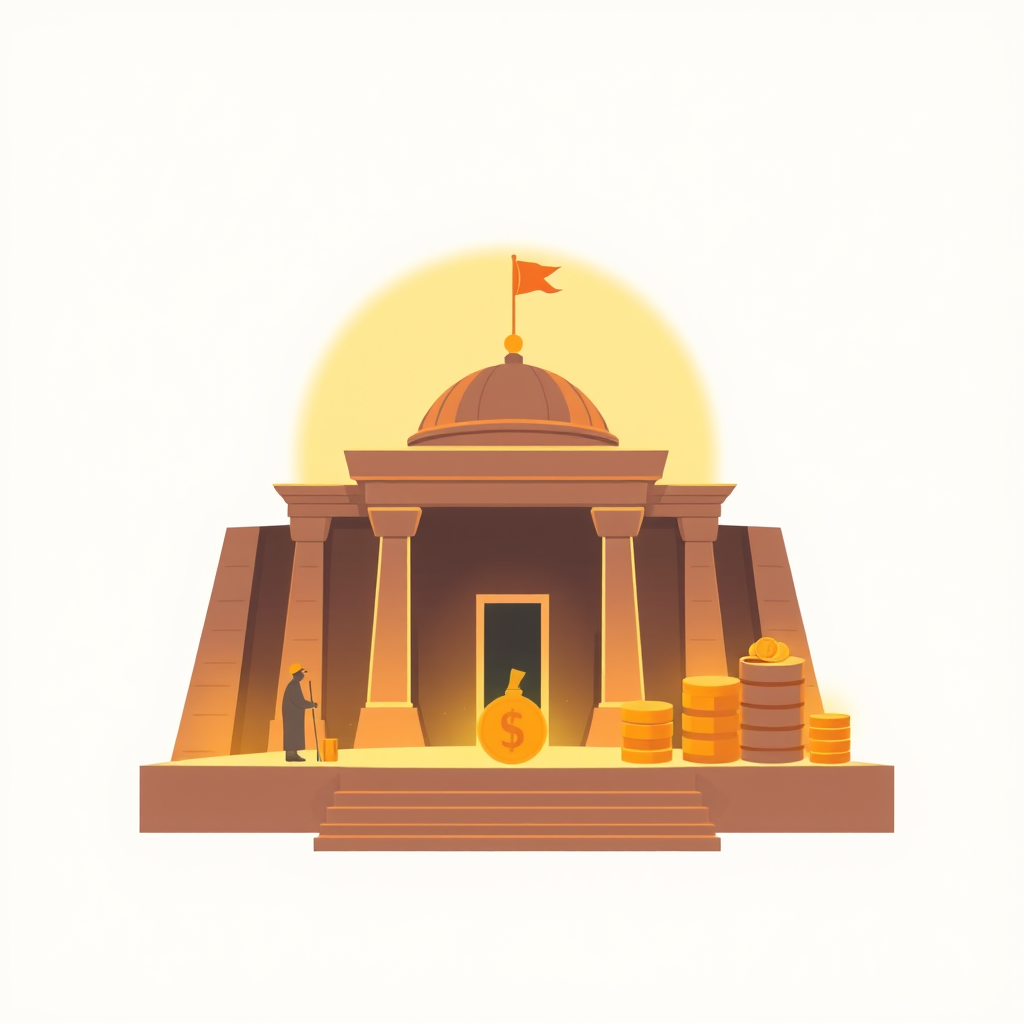

The Secret to Wealth Straight from Ancient Babylon
What if the secrets to building real wealth were hidden in plain sight? In this article, we explore the transformative ideas from The Richest Man in Babylon by George S. Clason — and how you can apply them to your own financial journey.
“The Richest Man in Babylon” by George S. Clason is a timeless personal finance book that teaches wealth-building principles through parables set in ancient Babylon. Originally published in 1926, the book’s lessons remain relevant today, providing simple yet powerful financial wisdom on saving, investing, and growing wealth.
The book follows Arkad, the richest man in Babylon, as he shares his secrets to financial success with fellow citizens. These lessons are conveyed through engaging stories that highlight fundamental money management principles.
Key Themes & Lessons

1. Pay Yourself First (The 10% Rule)
Save at least 10% of your income before spending on anything else.
This habit builds wealth over time and ensures financial security.
“A part of all you earn is yours to keep.”
Saving consistently is the foundation of financial success.

2. Control Your Expenses
Live below your means—avoid unnecessary spending.
Separate “necessary expenses” from “desires.”
Wealth grows when income is managed wisely, not just by earning more.
A high income means nothing if you spend it all.
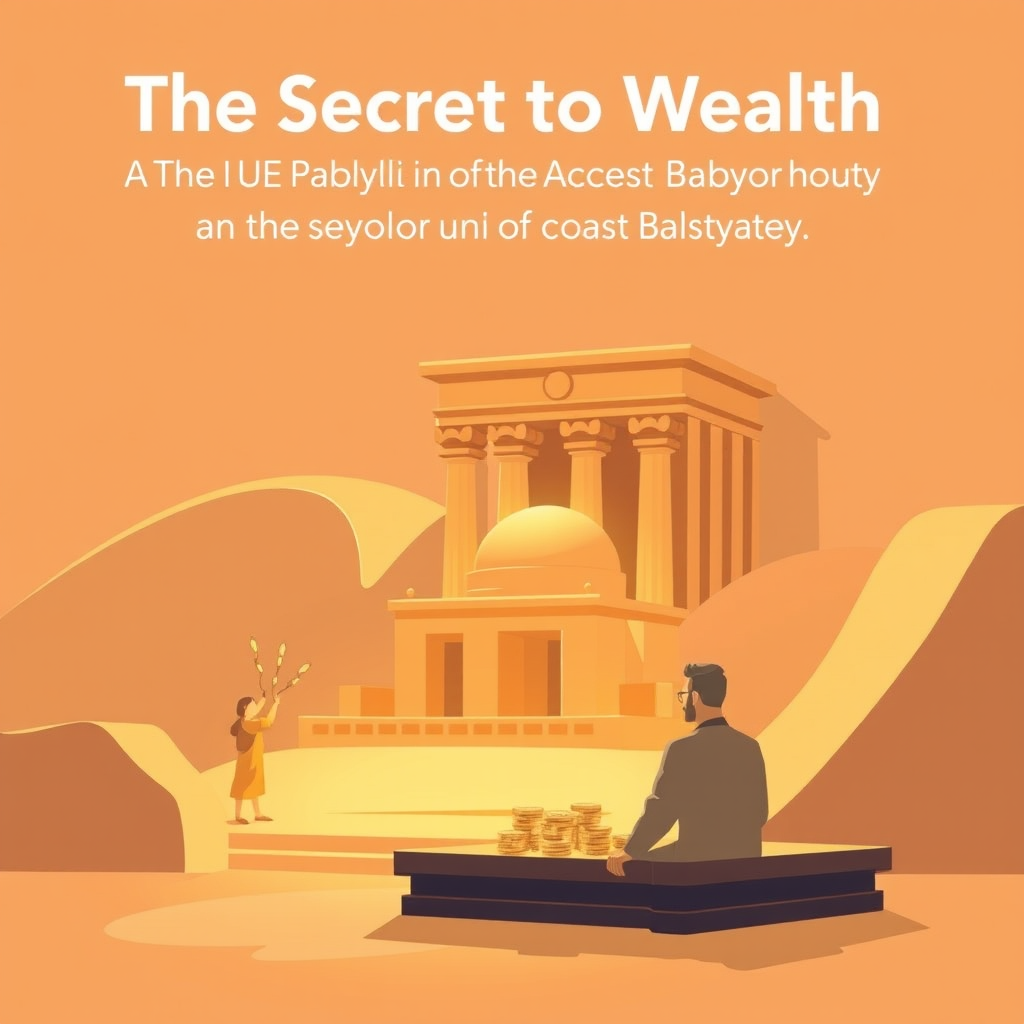
3. Make Your Money Work for You (Invest Wisely)
Money should be put to work through investments, not left idle.
Compound interest and smart investments grow wealth over time.
Seek expert advice before investing—avoid risky, get-rich-quick schemes.
Wealth comes from investing in assets that generate income.

4. Protect Your Wealth (Avoid Losses & Scams)
Do not invest in things you don’t understand.
Be wary of high-risk investments that promise quick returns.
Insure your assets and business to protect against losses.
Financial wisdom is about both growing and safeguarding wealth.
5. Increase Your Ability to Earn (Self-Improvement)
Invest in education and skills to increase income potential.
Seek mentors and learn from successful people.
Hard work and financial discipline lead to greater opportunities.
The more valuable you become, the more wealth you can create.
6. Own Your Home (Real Estate as a Wealth-Building Tool)
Owning property provides stability and long-term wealth.
Instead of paying rent, build equity by owning a home.
Real estate is a valuable investment when managed wisely.
Owning property is a key step toward financial independence.
7. Plan for Retirement (Ensure a Future Income)
Start saving for retirement early—time is your greatest asset.
Passive income sources ensure financial freedom in later years.
Wise planning guarantees a comfortable and worry-free future.
Long-term thinking secures a prosperous retirement.
Key Takeaways
Save at least 10% of your income before spending.
Live below your means and control unnecessary expenses.
Invest wisely and make your money work for you.
Protect your wealth from bad investments and scams.
Continuously improve your skills and knowledge to increase earnings.
Owning property can contribute to long-term wealth.
Plan for retirement early to ensure future financial security.
Final Thoughts
The Richest Man in Babylon is a must-read for anyone seeking timeless financial wisdom. Its simple yet powerful lessons on money management, saving, and investing can help anyone build long-term wealth and financial independence.
Ready to Learn More?
Want more insights on finance, investing, and wealth-building? Explore The Summary Series by Dominus Code — where we distill the world’s best finance books into practical wisdom.
This article was inspired by The Richest Man in Babylon by George S. Clason.