

The ONE Investing Rule That Made Warren Buffett Rich
What if the secrets to building real wealth were hidden in plain sight? In this article, we explore the transformative ideas from The Intelligent Investor by Benjamin Graham — and how you can apply them to your own financial journey.
The Intelligent Investor by Benjamin Graham is widely regarded as the most influential investment book of all time. As the mentor of Warren Buffett and the father of value investing, Graham outlines a philosophy rooted in patience, discipline, and rational decision-making.
Rather than offering a get-rich-quick formula, this book teaches investors how to preserve capital, minimize risk, and take advantage of market fluctuations—principles that remain timeless more than 70 years later.

Core Concepts & Principles
1. Investment vs. Speculation
- An investment is one that promises safety of principal and an adequate return through careful analysis.
- Anything else is speculation—and often involves far more risk than most people realize.
“The essence of investment management is the management of risks, not the management of returns.”
2. Mr. Market: A Parable of Emotion
- Graham introduces Mr. Market, a metaphor for the stock market’s irrational behavior.
- Mr. Market offers to buy or sell you shares daily—often at prices driven by emotion, not value.
- The intelligent investor uses Mr. Market’s mood swings to their advantage, buying low and selling high.
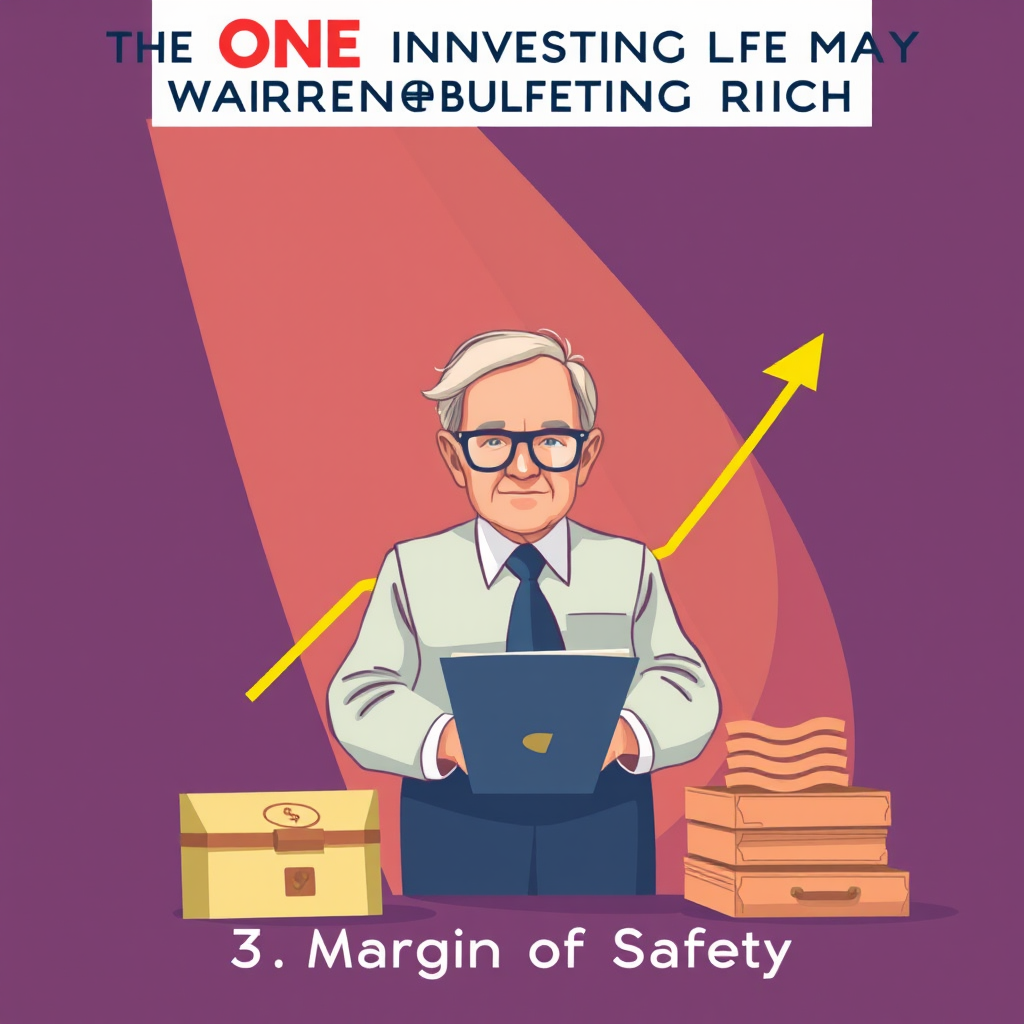
3. Margin of Safety
- This is the central concept of the book: Buy stocks well below their intrinsic value to allow room for error.
- A margin of safety helps protect you from:
- Bad decisions
- Market downturns
- Unexpected events
“The function of the margin of safety is, in essence, that of rendering unnecessary an accurate estimate of the future.”

4. Defensive vs. Enterprising Investor
Graham identifies two types of investors:
Defensive Investor
- Passive, risk-averse, seeks consistent and safe returns
- Invests in blue-chip stocks, index funds, and bonds
- Emphasizes diversification and long-term holding
⚔ Enterprising Investor
- Active, willing to do deep research and take on more risk
- Seeks undervalued or special situation stocks
- Must be patient, rational, and disciplined
5. Intrinsic Value
- Every asset has a true, underlying value based on fundamentals like:
- Earnings
- Dividends
- Growth potential
- The intelligent investor seeks to buy when the price is well below intrinsic value.
6. Market Fluctuations Are Opportunities
- Volatility is not something to fear—it’s something to exploit.
- Don’t panic during downturns; look for buying opportunities.
- Graham strongly discourages timing the market or chasing trends.
7. The Role of Bonds and Stocks
- Graham recommends a balanced portfolio of stocks and bonds, with allocations based on:
- Age
- Risk tolerance
- Market conditions
- He suggests keeping between 25% and 75% in stocks, and adjusting over time.
Key Takeaways
Focus on capital preservation and long-term value, not short-term gains
Always invest with a margin of safety
Learn to analyze companies based on fundamentals, not hype
Be emotionally disciplined—irrational behavior is the biggest investment risk
Know whether you are a defensive or enterprising investor, and act accordingly
Final Thoughts
The Intelligent Investor is the ultimate guide to investing wisely, rationally, and safely. While some content is dated (pre-ETFs, pre-tech boom), its core philosophy remains evergreen:
Invest with patience, discipline, and a deep understanding of value.
Warren Buffett calls it “by far the best book on investing ever written.”
Ready to Learn More?
Want more insights on finance, investing, and wealth-building? Explore The Summary Series by Dominus Code — where we distill the world’s best finance books into practical wisdom.
This article was inspired by The Intelligent Investor by Benjamin Graham.