

The Hidden Hand of Luck: How Randomness Controls Your Life
What if the secrets to building real wealth were hidden in plain sight? In this article, we explore the transformative ideas from Fooled by Randomness: The Hidden Role of Chance in Life and in the Markets — and how you can apply them to your own financial journey.
Fooled by Randomness by Nassim Nicholas Taleb is a profound exploration of how humans misinterpret luck, randomness, and probability in life—especially in finance and business. The book argues that much of what we perceive as skill or causality is actually randomness, and that people—especially professionals—are often blind to it.
Taleb combines mathematics, philosophy, behavioral psychology, and real-world stories to challenge conventional thinking about success, forecasting, and risk.
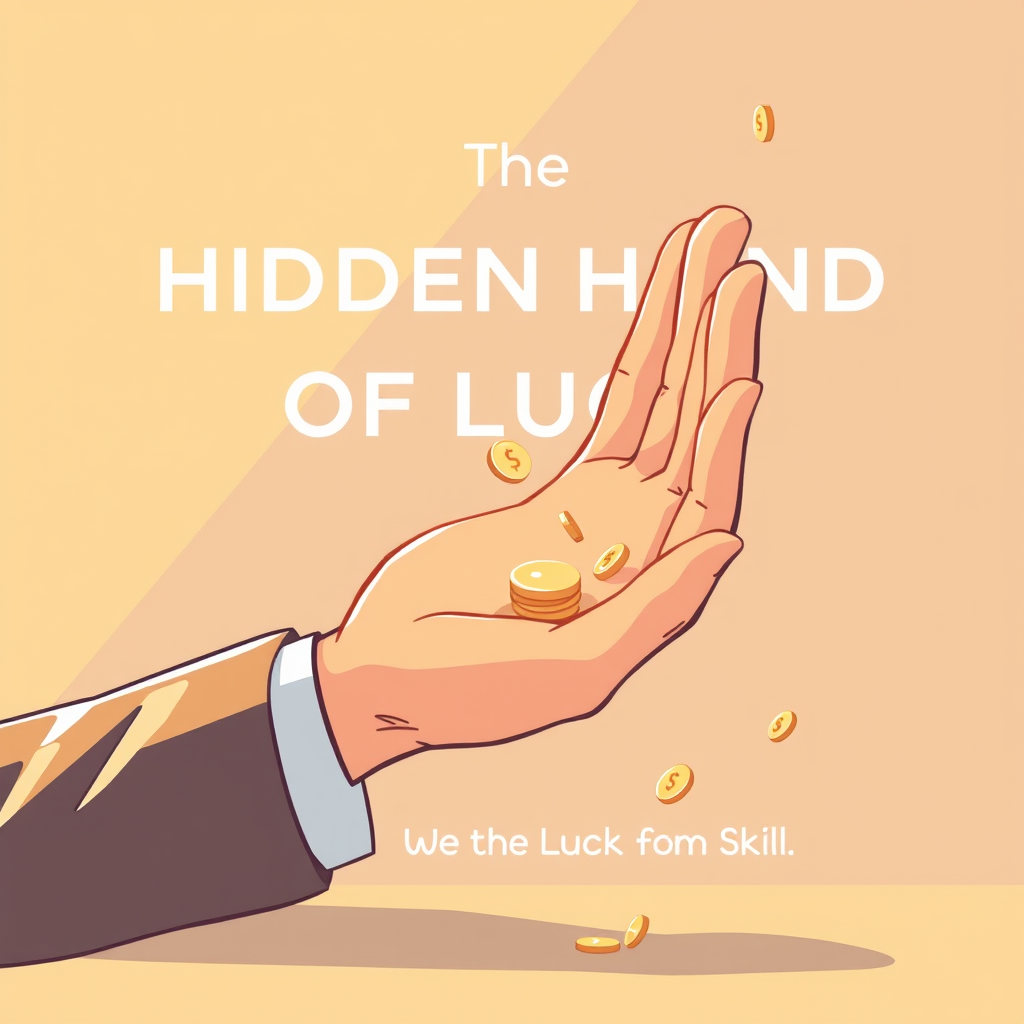
🎲 Core Message: We Mistake Luck for Skill
“It is more random than you think.”
We tend to attribute success to intelligence or effort, when in fact it might be luck—and we blame failure on bad luck rather than bad decisions. Taleb calls this the narrative fallacy, where we construct stories to explain random outcomes.
Key Concepts and Lessons

1. Survivorship Bias
- We notice successful people or strategies and ignore the many that failed silently.
- Example: We admire hedge fund managers who made it big—without seeing the 100 others who blew up.
“Losers are invisible. The media only writes about the winners.”
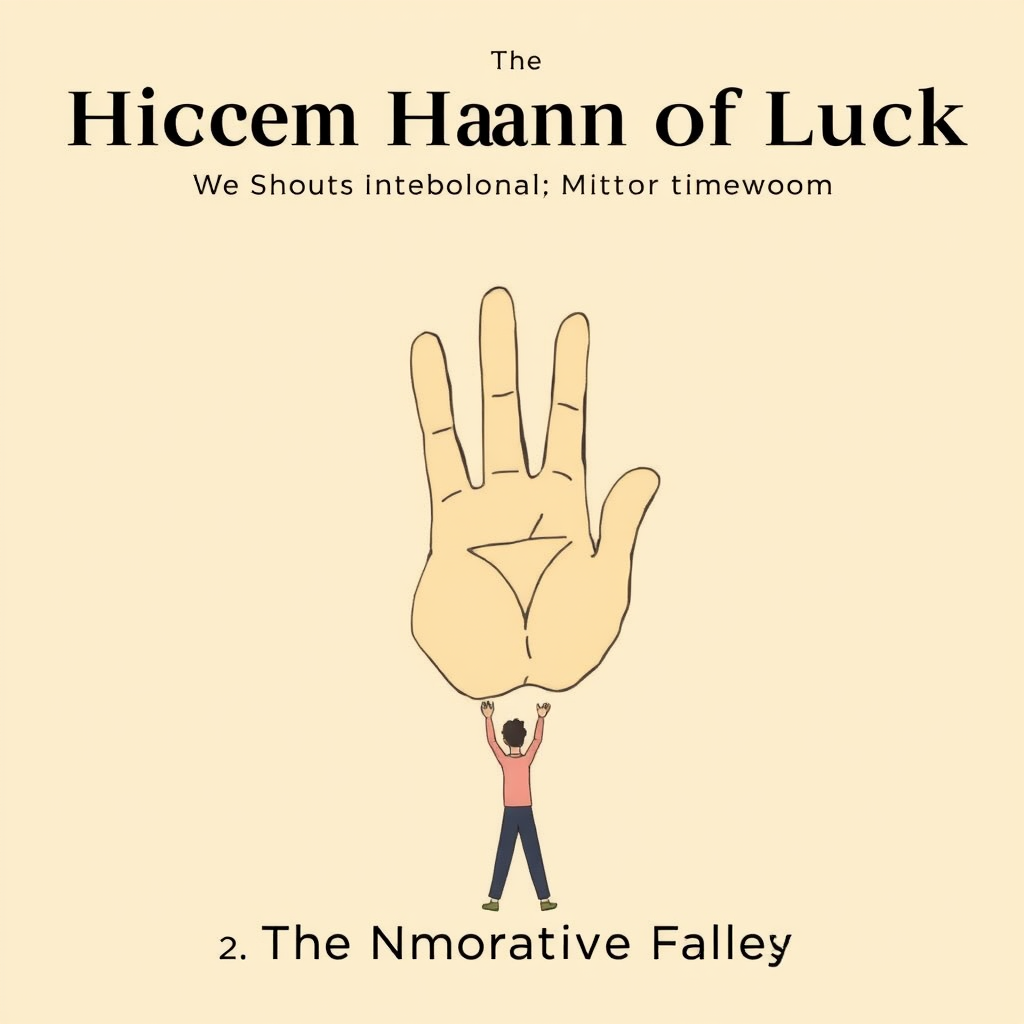
2. The Narrative Fallacy
- Our brains love stories—we impose order on randomness.
- We assume there’s a pattern or reason behind every outcome, even when it’s just noise.

3. Randomness Looks Like Patterns
- People often confuse noise for signal, especially in short-term financial data.
- Taleb warns against overinterpreting small samples, like a fund that beats the market for 3 years.
4. Mild vs. Wild Randomness
- Some events follow a normal distribution (bell curve); others, like financial crashes or pandemics, follow power laws (black swans).
- Most people (and models) wrongly assume events fall in the mild camp.
5. Alternative Histories
- Things could have easily turned out differently.
- We judge people by outcomes rather than processes, ignoring the counterfactuals (what could have happened but didn’t).
6. The Problem of Induction
- Just because something hasn’t happened doesn’t mean it won’t.
- Like the turkey fed every day until Thanksgiving—a stable history is no guarantee of a stable future.
7. Randomness and Trading
- Many successful traders are just lucky noise traders.
- Taleb, a former options trader, shows that short-term profits may reflect randomness, not skill.
8. Stoicism and Emotional Detachment
- Taleb advocates a stoic attitude toward success and failure.
- Focus on making rational, process-driven decisions, not on being right every time.
- Accept randomness without letting it ruin your confidence or inflate your ego.
Key Takeaways
Much of what we call success is driven by randomness, not talent
Humans are wired to seek patterns and stories—even when there are none
Survivorship bias blinds us to the bigger picture
Focus on decision quality, not just outcomes
Learn to recognize when you’re being fooled by noise
Embrace uncertainty and build resilience against rare but extreme events
Final Thoughts
Fooled by Randomness is a mind-expanding, deeply skeptical, and intellectually challenging read. Taleb’s sharp, often cynical tone forces readers to question their assumptions about luck, risk, and success. Whether you’re an investor, entrepreneur, or simply trying to understand the world better, this book will change how you think about chance—and how you protect yourself from its illusions.
Ready to Learn More?
Want more insights on finance, investing, and wealth-building? Explore The Summary Series by Dominus Code — where we distill the world’s best finance books into practical wisdom.
This article was inspired by Fooled by Randomness: The Hidden Role of Chance in Life and in the Markets.