

How Your Brain Tricks You Into Bad Money Moves
What if the secrets to building real wealth were hidden in plain sight? In this article, we explore the transformative ideas from Your Money and Your Brain: How the New Science of Neuroeconomics Can Help Make You Rich by Jason Zweig — and how you can apply them to your own financial journey.
Your Money and Your Brain by Jason Zweig, a seasoned financial journalist and editor of The Intelligent Investor column at The Wall Street Journal, is a fascinating deep dive into the intersection of neuroscience, psychology, and personal finance. Zweig draws on neuroeconomics—the study of how the brain processes financial decisions—to explain why we often make irrational money choices and how we can avoid them.
This book is not just about money—it’s about the biology of risk, fear, reward, and regret, and how understanding your own mind can improve your investing outcomes.
Core Idea: Your Brain Is Wired to Sabotage Your Financial Goals
“When it comes to money, your brain is your own worst enemy.”
Zweig explains how evolution shaped the brain to survive immediate threats, not to handle long-term investment decisions. This creates cognitive biases and emotional impulses that often lead to poor financial behavior.
Key Concepts and Lessons
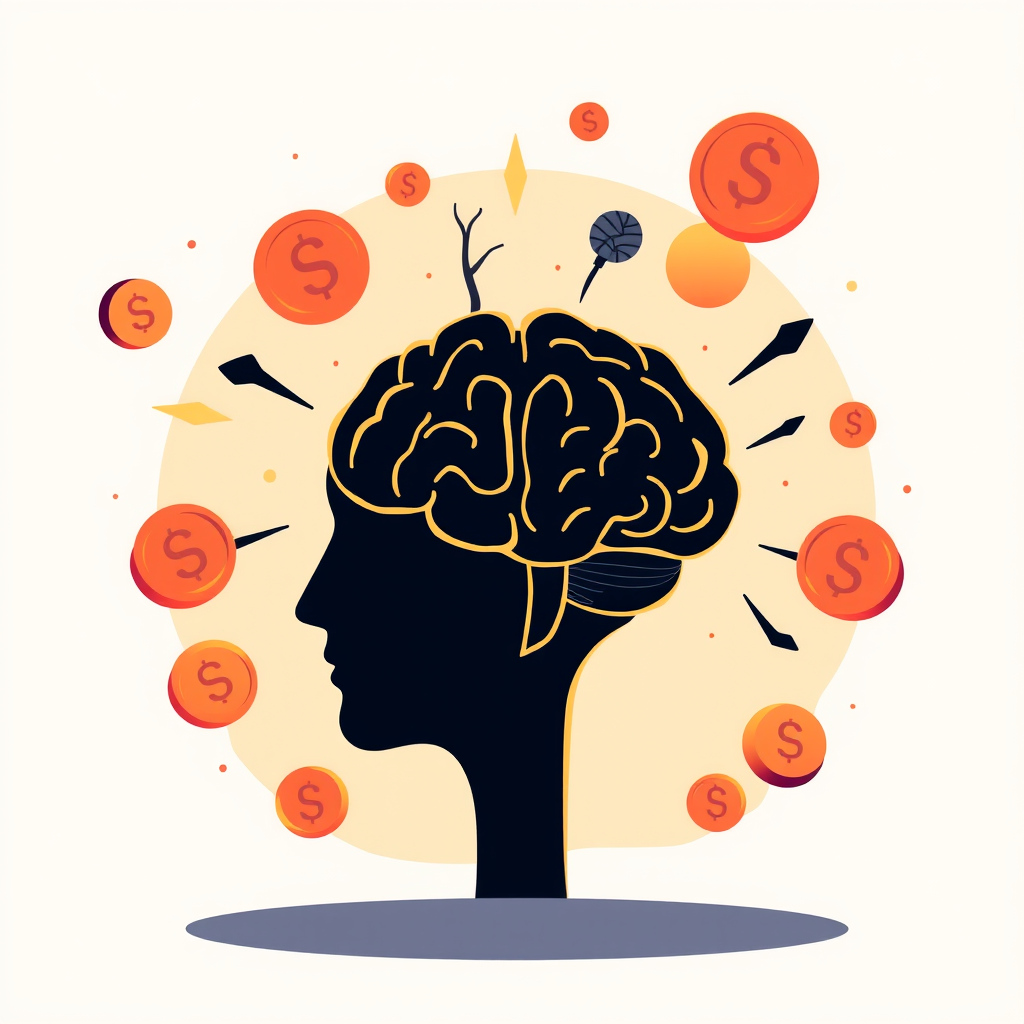
1. The Brain’s Reward System
- Anticipating gains activates the brain’s dopamine system—the same part triggered by drugs, sugar, and gambling.
- This causes us to overreact to potential profits and chase returns impulsively.
2. Fear and Loss Aversion
- The brain processes financial losses like physical pain.
- Losing money feels twice as bad as gaining the same amount feels good.
- This leads to:
- Panic selling
- Holding onto losers too long
- Avoiding risk even when it’s appropriate
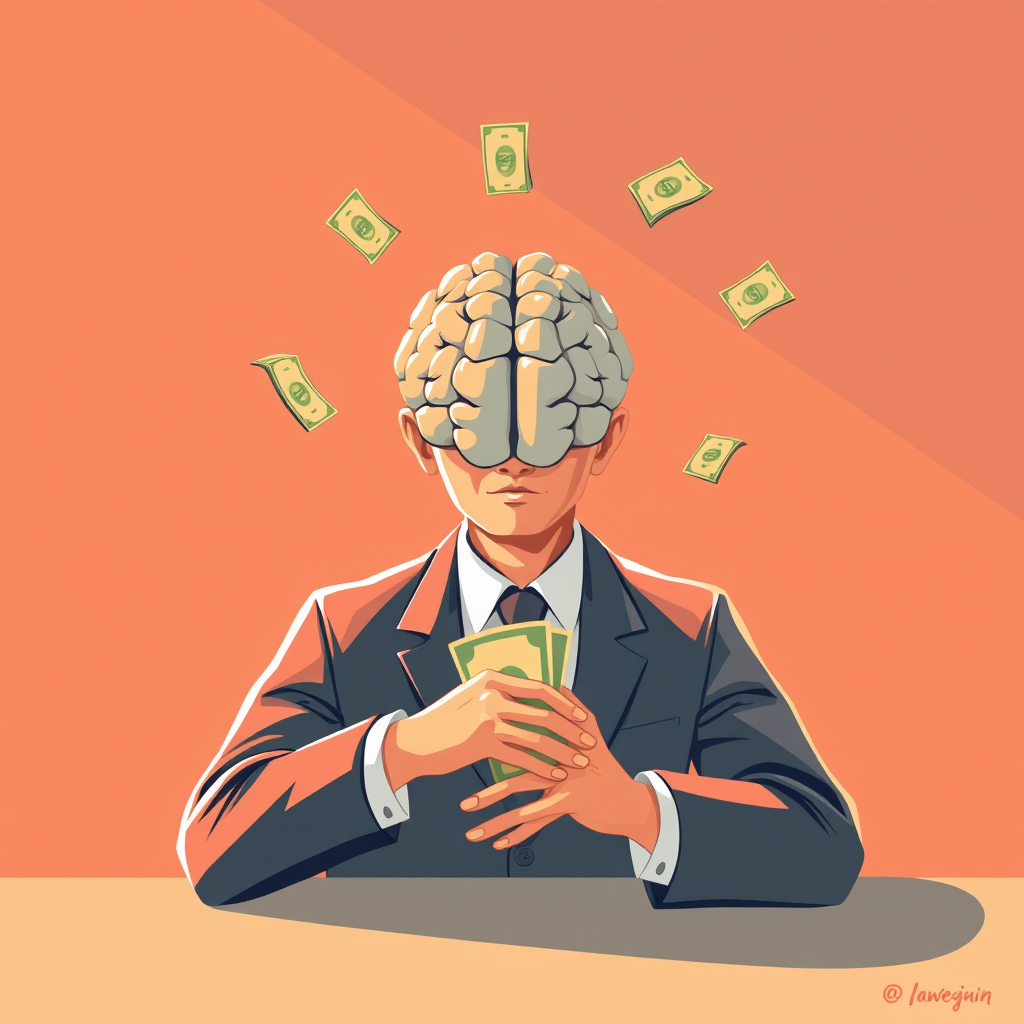
3. Overconfidence and Illusion of Control
- We overestimate our ability to predict or control outcomes.
- Investors often believe they’re above average—leading to excessive trading and risk-taking.
4. The Certainty Trap
- The brain craves certainty, but markets are inherently uncertain.
- We often cling to financial forecasts, tips, or trends to reduce anxiety, even if they’re unreliable.
5. Herd Behavior and Social Proof
- We’re biologically programmed to mimic others in uncertain situations.
- Market bubbles and crashes are often driven by neuro-social contagion.
6. Regret and Hindsight Bias
- We replay past mistakes, magnify regrets, and rewrite history to fit a narrative.
- This causes:
- Analysis paralysis
- Revenge investing (trying to “win back” losses)
- Inflexible thinking
7. Mental Accounting and Compartmentalization
- We treat money differently depending on its source or category.
- Example: Being more willing to spend a bonus than salary, even though money is fungible.
8. The “Hot” vs. “Cool” Brain
- The hot system is fast, emotional, and reactive—useful in emergencies but disastrous in investing.
- The cool system is slow, deliberate, and analytical—key to rational financial decisions.
- Good investors learn to cool the hot brain.
Key Takeaways
Your brain is hardwired to make emotional, irrational financial decisions
Emotions like fear, greed, regret, and overconfidence distort your judgment
Understanding your neuro-financial triggers helps reduce costly mistakes
To succeed in investing, cultivate awareness, patience, and emotional discipline
Use tools (checklists, automation, rebalancing) to override instinctive errors
Final Thoughts
Your Money and Your Brain is a scientifically grounded, highly readable guide to understanding how your own biology shapes your financial behavior. Jason Zweig masterfully translates complex neuroscience into practical investing wisdom, helping you manage your brain before managing your money.
“The most important organ in investing is not your pocketbook. It’s your brain.”
Ready to Learn More?
Want more insights on finance, investing, and wealth-building? Explore The Summary Series by Dominus Code — where we distill the world’s best finance books into practical wisdom.
This article was inspired by Your Money and Your Brain: How the New Science of Neuroeconomics Can Help Make You Rich by Jason Zweig.