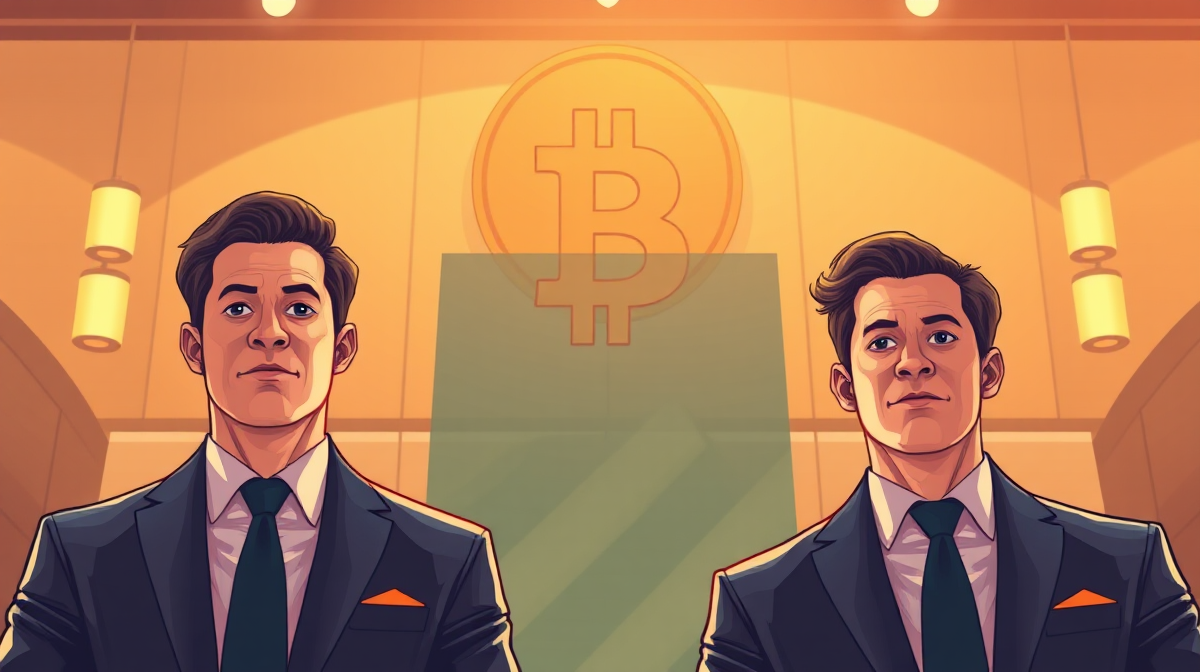

From Zero to Bitcoin Billionaires: The Shocking True Story of the Winklevoss Twins
What happens when you lose a legal battle against Mark Zuckerberg, get labeled as “the twins who sued Facebook,” and find yourself as Silicon Valley outcasts with $65 million and a reputation to rebuild?
For most people, that would be the end of the story. A cautionary tale about legal battles and missed opportunities.
But Cameron and Tyler Winklevoss aren’t most people.
What they did next is one of the most fascinating redemption arcs in modern finance — and it led them to become the first Bitcoin billionaires. This is the true story of how two former Olympic rowers bet everything on a digital currency that most people had never heard of.

From Facebook Lawsuit to Financial Outcasts
The Winklevoss twins are best known for their legal battle with Mark Zuckerberg over the origins of Facebook. After years of litigation, they settled for $65 million in 2008. Most people would consider that a massive win.
But in Silicon Valley, the twins found themselves in an unexpected position: rich but disrespected. Venture capitalists refused to take them seriously. Media coverage portrayed them as “rich kids who sued their way to success.” They had money, but they lacked the one thing that mattered most in tech: credibility.
They needed a second act. Something big enough to redefine their story. Something that would prove they weren’t just litigious Harvard graduates — they were visionary investors who could spot the future before anyone else.
In 2012, they found it: Bitcoin.
Betting Big on Bitcoin When Nobody Else Would
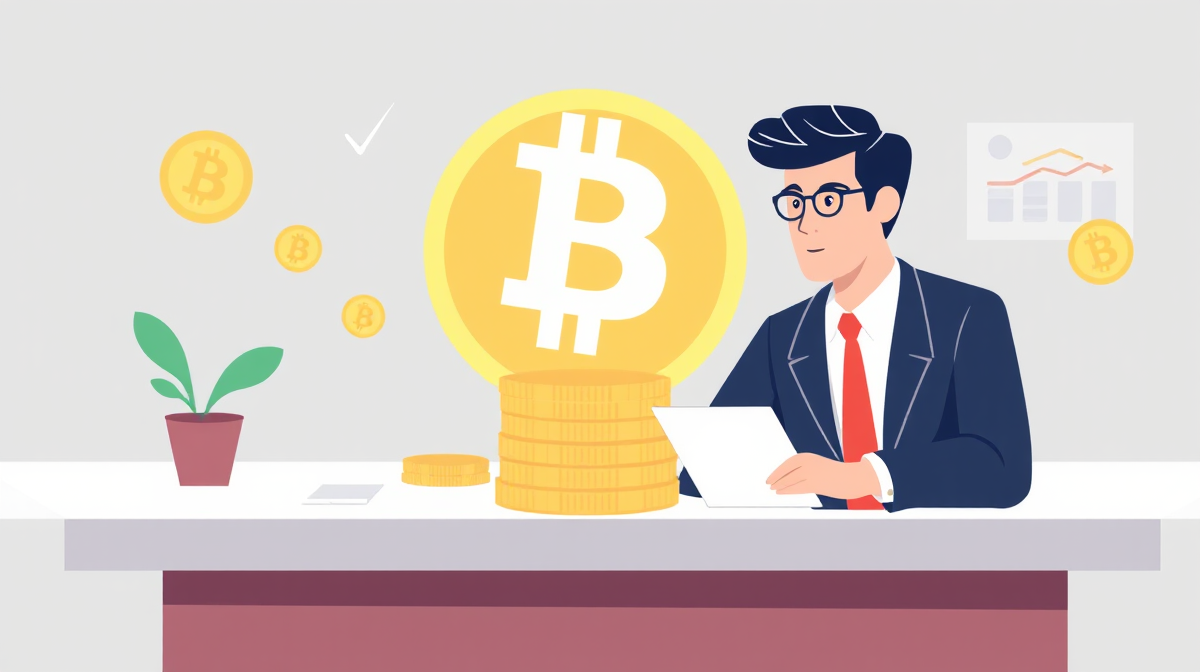
In 2012, Bitcoin was trading at around $6 per coin. Most people had never heard of it. Those who had dismissed it as a toy for cypherpunks, criminals, or techno-libertarians. Wall Street considered it a joke.
The twins saw something different.
Through Charlie Shrem, an early Bitcoin advocate who ran BitInstant (one of the first crypto exchanges), they learned about Bitcoin’s potential to become “digital gold” — a scarce, decentralized store of value that couldn’t be manipulated by governments or central banks.
They invested $11 million into Bitcoin when it was still largely unknown. At $6 per coin, that meant they bought approximately 1.8 million Bitcoins — about 1% of all Bitcoin that would ever exist.
The bet was enormous. The skepticism was overwhelming. And the risk was total — Bitcoin could have gone to zero.
But the twins believed in the technology, the scarcity, and the vision. While others dismissed Bitcoin as a fad, they saw the long-term potential.

The Wild West of Early Crypto
Bitcoin’s early days were chaotic. The currency was associated with Silk Road, the dark web marketplace that facilitated illegal drug sales. Hacks were common. Exchanges collapsed. Trust was minimal.
The most devastating blow came in 2014 when Mt. Gox, the world’s largest Bitcoin exchange, collapsed after hackers stole 850,000 Bitcoins. Millions of dollars vanished. Confidence in the entire ecosystem shattered.
For many investors, this would have been the exit signal. Sell everything, cut losses, move on.
The twins doubled down.
They saw the Mt. Gox collapse not as a failure of Bitcoin, but as a failure of centralized, unregulated exchanges. The solution wasn’t to abandon crypto — it was to build something better. Something safer. Something legitimate.
They set out to create exactly that.

Building Gemini: Bringing Legitimacy to Crypto
While Bitcoin was still seen as a tool for criminals and speculators, the Winklevoss twins worked to bring legitimacy to the industry. They advocated for regulation, transparency, and institutional acceptance.
Their biggest project was Gemini — a cryptocurrency exchange designed to be the most regulated, secure, and trustworthy platform in the industry. Unlike the wild-west exchanges that had collapsed, Gemini would operate with the same standards as traditional financial institutions.
The vision was audacious: prove that Bitcoin and blockchain technology could be safe, compliant, and mainstream. Show Wall Street that crypto wasn’t a fad — it was the future of finance.
It took years of regulatory battles, compliance work, and infrastructure building. But slowly, the narrative began to shift.

Becoming Bitcoin Billionaires
As Bitcoin’s price began its historic climb — from $6 to $100 to $1,000 to $10,000 — the twins’ $11 million investment transformed into something extraordinary.
By late 2017, when Bitcoin crossed $10,000, their holdings made them billionaires. By the peak in late 2021, when Bitcoin approached $69,000, their fortune was measured in the tens of billions.
But the wealth wasn’t just about money. It was about redemption. The twins who had been dismissed as litigious outsiders were now the most credible voices in cryptocurrency. The people who had laughed at their Bitcoin bet were now asking them for advice.
Wall Street, which had dismissed Bitcoin for years, began taking it seriously. Major institutions started offering Bitcoin products. Companies added Bitcoin to their balance sheets. The asset the twins had championed when nobody else believed was now a mainstream investment.

The Future of Bitcoin and the Crypto Revolution
Today, Bitcoin is no longer a niche asset. It’s considered “digital gold” by major investors, a hedge against inflation, and a legitimate store of value. The Winklevoss twins continue to push for mass adoption, investing in NFTs, DeFi, and Web3 projects through Gemini and their venture capital arm.
But the story is bigger than Bitcoin. It’s about the transformation of money itself.
Blockchain technology has created a new financial infrastructure that operates without intermediaries, without borders, and without the permission of traditional gatekeepers. It enables:
- Decentralized finance (DeFi) — Lending, borrowing, and trading without banks
- Non-fungible tokens (NFTs) — Digital ownership of art, music, and collectibles
- Smart contracts — Self-executing agreements that eliminate intermediaries
- Web3 — A decentralized internet owned by users, not corporations
The crypto revolution is still unfolding, and the twins remain at its center — not just as investors, but as builders, advocates, and visionaries.

What the Winklevoss Story Teaches Us
- Reinvention is possible. No matter how you’re labeled or what setbacks you face, you can always build something new.
- Conviction matters more than consensus. The best investments are often the ones everyone else dismisses.
- Timing and patience are everything. The twins held their Bitcoin position through multiple crashes and years of skepticism.
- Building infrastructure creates lasting value. Gemini wasn’t just an exchange — it was a bridge between crypto and traditional finance.
- The future belongs to the builders. Not the speculators, not the critics — the people who create the systems others rely on.

Ready to Explore the Future of Finance?
The story of the Winklevoss twins is more than a crypto tale. It’s a lesson in conviction, resilience, and the power of betting on the future when everyone else sees only the present.
Whether you’re interested in Bitcoin, blockchain technology, or simply the psychology of contrarian investing, their journey offers timeless insights for anyone willing to think independently.
Want more stories of financial innovation and investing success? Explore The Summary Series by Dominus Code — where we distill the world’s best finance and investing books into practical wisdom for modern investors.
This article was inspired by Bitcoin Billionaires by Ben Mezrich — the true story of how Cameron and Tyler Winklevoss went from Silicon Valley outcasts to cryptocurrency pioneers and became the first Bitcoin billionaires.